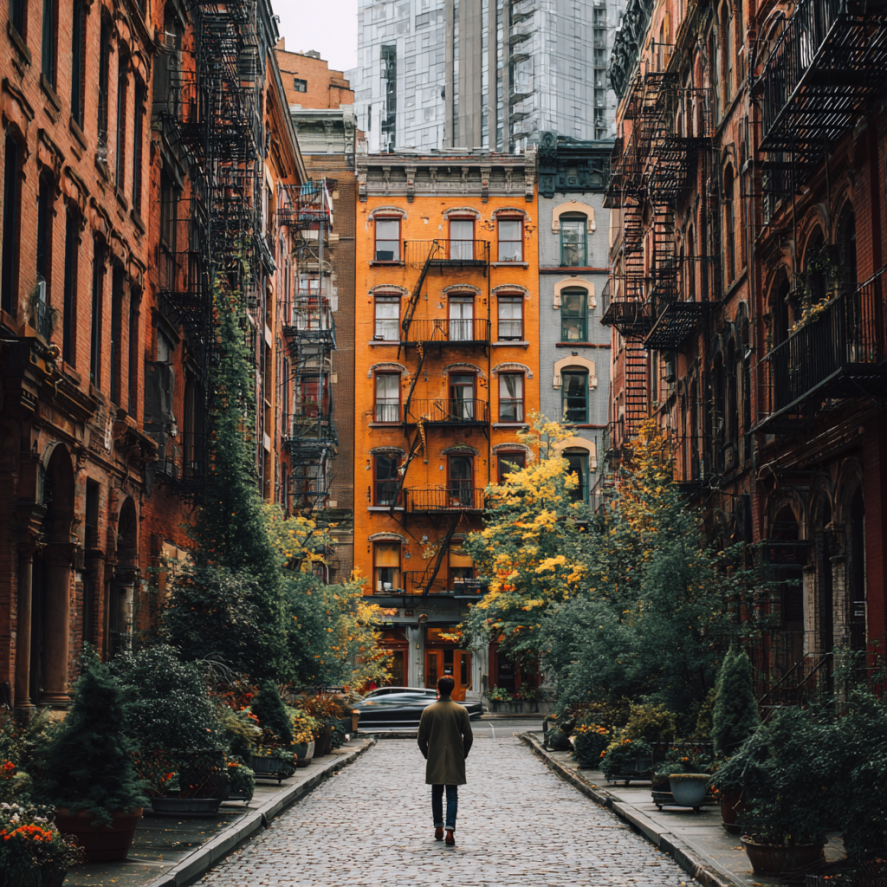
Best cities to wander with no plan at all
Some trips are meant to be meticulously planned—flights booked, hotels reserved, tours scheduled. And some trips? They’re the opposite. No schedules, no maps, no “must-see” lists. Just you, the streets, and the joy of discovery.
Wandering aimlessly through a city is like giving yourself a mini-adventure every day. You stumble on tiny cafés, street art, quirky shops, and locals who might just become your favorite story. If you’re craving that kind of freedom, here’s a list of cities where losing yourself is not only safe but downright magical.
1. Lisbon, Portugal
Lisbon is a maze of colorful streets, tiled facades, and unexpected viewpoints.
Why it works for wandering: Hills, trams, and cobbled streets make every corner feel like a discovery. Cafés spill out onto sidewalks, and every alley seems to lead to a pastel-colored surprise.
Tips: Let yourself get lost in Alfama, the old quarter, and don’t stress about maps—each twist has a hidden gem.
Extra bonus: tram rides double as moving sightseeing tours, so even getting lost feels productive.
2. Tokyo, Japan
Tokyo might seem overwhelming at first, but wandering here is surprisingly rewarding.
Why it works: Endless neighborhoods with totally different vibes—Shibuya chaos, calm temples in Asakusa, hipster cafes in Shimokitazawa. Every turn offers neon signs, tiny ramen shops, and street-side shrines.
Tips: Grab a transport card and wander. Don’t plan, just follow your curiosity. Trust me, you’ll find incredible little bars and bakeries.
Even getting lost here teaches patience, observation, and occasionally, how to read kanji under pressure.
3. Paris, France
Yes, Paris. The cliché, the tourist trap, but also a city that rewards the spontaneous.
Why it works: The city is built for wandering. Cobblestone streets, riverfront quays, hidden gardens, and cafés everywhere. Skip the main boulevards and let yourself discover the Marais, Canal Saint-Martin, or tiny streets in Montmartre.
Tips: Turn off the map, stop in any café that looks inviting, and watch life happen around you. Street musicians, pastry shops, and local markets all appear unplanned.
Paris is one of those cities where even “getting lost” feels romantic.
4. Budapest, Hungary
Budapest combines charm, history, and spontaneous adventure.
Why it works: Walk along the Danube, stumble across ruin bars in the Jewish Quarter, or climb to Buda Castle without a plan. Thermal baths, graffiti-covered streets, and vintage cafes reward the curious.
Tips: Don’t stick to a guidebook. Let the bridges and hills lead you. Evening walks along the river are magical and unstructured adventures are easy to pull off.
Every corner of Budapest has a café or ruin bar where you can sit and watch the city live.
5. Barcelona, Spain
Barcelona is a playground for aimless exploration.
Why it works: The city blends architecture, beach, and quirky streets. Gaudí buildings pop up unexpectedly, winding alleys in the Gothic Quarter lead to hidden squares, and markets like La Boqueria make wandering a feast.
Tips: Skip guided tours. Follow your feet, get lost in El Born, and watch the local life unfold.
Even the beaches are casual extensions of the city, so wandering can end with sand between your toes.
6. Marrakech, Morocco
Marrakech is a city that practically begs you to wander.
Why it works: Souks, alleys, vibrant colors, and chaotic energy make maps almost pointless. Every corner offers spices, textiles, and street food.
Tips: Embrace getting lost in the Medina. Small streets can feel maze-like, but that’s part of the fun. Always carry water, and maybe some patience—the city can be overwhelming but rewarding.
Here, wandering is an adventure for all your senses.
7. Rome, Italy
Rome’s layers of history make every unplanned stroll exciting.
Why it works: Ancient ruins next to bustling piazzas, hidden fountains, narrow cobblestone streets. Wander and you’ll find unexpected trattorias, gelato shops, or tiny churches.
Tips: Skip the itinerary for a day. Follow a street that looks interesting, peek into squares, and stop at random cafés. Rome rewards curiosity endlessly.
Every wandering day in Rome can feel like discovering the city for the first time.
8. Istanbul, Turkey
Istanbul straddles continents, and wandering here feels like stepping through time.
Why it works: The Grand Bazaar is a maze of colors and sounds, streets by the Bosphorus offer cafés and tea houses, and the city blends European and Asian influences seamlessly.
Tips: Let yourself drift from Sultanahmet to Kadıköy, crossing the Bosphorus by ferry just because it looks fun. Street food is everywhere, so snack stops are part of the adventure.
Even wandering without a plan gives a full immersion into the city’s vibrant life.
9. Prague, Czech Republic
Prague is compact, charming, and perfect for spontaneous walks.
Why it works: Old Town, cobblestone streets, bridges over the Vltava River, and colorful buildings make aimless exploration easy. Every street seems like a postcard.
Tips: Don’t head straight to the castle. Let streets pull you in different directions. Stop for coffee, pastries, or a local beer in a tiny pub.
Prague is small enough that wandering doesn’t feel lost—it feels like discovery.
10. Kyoto, Japan
If Tokyo is about energy and chaos, Kyoto is about quiet discovery.
Why it works: Temples, shrines, gardens, and traditional streets make it ideal for wandering. Each district has its own feel, and you can stumble across serene spots unexpectedly.
Tips: Early mornings are best for quiet wandering. Don’t plan temples in advance—just follow the streets, the alleys, and the rivers.
Kyoto feels like a secret world that reveals itself slowly if you let yourself wander.
11. New Orleans, USA
New Orleans has a vibe made for wandering.
Why it works: Jazz spills out of every corner, colorful houses, French Quarter alleys, and street performers everywhere. You can wander from Bourbon Street to hidden courtyards without even realizing it.
Tips: Follow your ears—music often leads to the best finds. Cafés, antique shops, and street art await around every bend.
Here, wandering is part of the city’s rhythm, not just a choice.
12. Buenos Aires, Argentina
Buenos Aires blends European style with Latin energy.
Why it works: Wide boulevards, colorful neighborhoods like La Boca, tango on the streets, and cafés on every corner. You can wander without direction and always find something interesting.
Tips: Don’t overplan. Follow the streets, hop into a café, and maybe catch a spontaneous tango performance.
Even aimless wandering here feels purposeful—you’re soaking in culture at your own pace.
Tips for Wandering Without a Plan
Trust Your Feet – Follow streets that look interesting, not maps.
Follow Your Senses – Music, smells, and crowds often lead to hidden gems.
Bring Cash – Small shops, street food, or markets often prefer it.
Be Curious – Peek into alleys, stairways, and side streets.
Stay Safe – Even wandering aimlessly, know which neighborhoods to avoid, especially at night.
Take Breaks – Wandering can be tiring; sit at cafés and watch the city live.
The key is balance—freedom plus awareness makes wandering both safe and magical.
Why Wandering Feels So Good
Aimless exploration allows you to:
Discover hidden spots tourists rarely see.
Meet locals casually, not just through tours.
Experience the city at your own pace, without pressure.
Create unplanned stories, photos, and memories that feel personal.
Sometimes, the best travel memories come from the streets you didn’t plan to walk.
Conclusion
Cities for wandering are not about efficiency—they’re about discovery, serendipity, and joy.
Lisbon, Budapest, Barcelona, Prague: charming streets and hidden corners
Tokyo, Kyoto, Istanbul: sensory overload or serene surprises
Paris, Rome, New Orleans, Buenos Aires: culture, food, music, and life happening on every corner
Marrakech: chaotic, colorful, and immersive
Next trip, ditch the strict itinerary. Let yourself follow alleys, streets, smells, and sounds. Aimless wandering isn’t lost—it’s traveling in its purest form. You never know what magic you’ll stumble upon.